Illuminating the Importance of Phosphorous
Oct 27, 2026
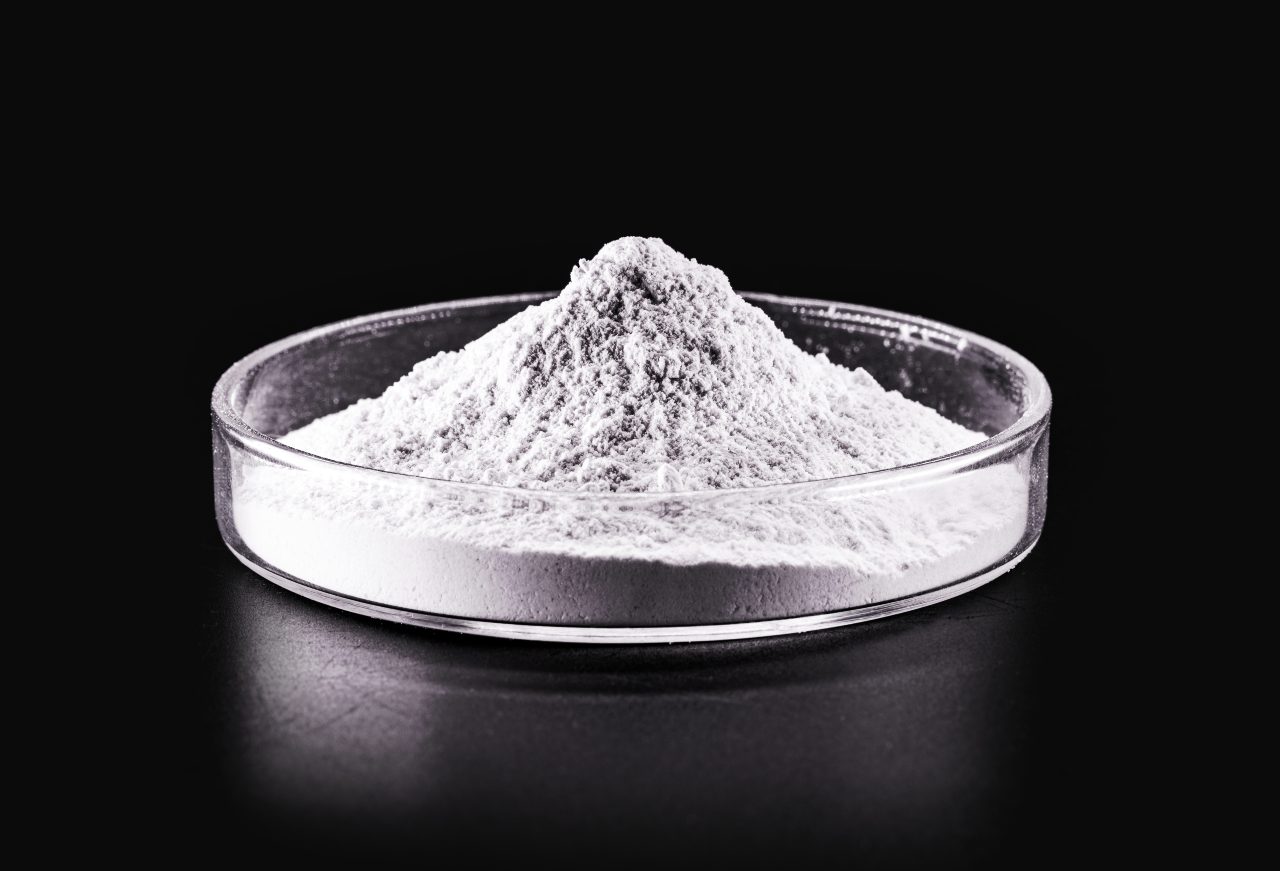
Ideally, you've gotten -or are about to get- your soil tested so that the results can be analyzed and you’ll know exactly what your soil needs for spring. One of those things it likely needs is phosphorus, and it’s important to get the right amount into the ground for 2027.
“Phosphorus is an important macronutrient to monitor and replace in your soil,” said Federated agronomy sales rep Chris Schmidt. “It’s a nutrient that’s critical for crop success, because it’s very active in energy reactions and transfer. If phosphorus is deficient, you experience an energy shortage and plant growth and development slows down.”
Some of the things phosphorus does in a plant:
- Encourages root development
- Aids early spring growth and seedling vigor
- Improves resistance to drought and cold temperatures
- Promotes crop maturity and grain drydown
“As you evaluate your soil sample results,” Schmidt said, “there are three types of reported phosphorus tests.”
The three types:
- P1 (Weak Bray) - Measures phosphorus that is readily available to the plant
- P2 (Strong Bray) - Measures phosphorus that is readily available, plus a part of the active reserve in your soil
- Olsen (Bicarbonate P) - Measures the amount of readily available phosphorus in both slightly basic (pH 7.0-7.2) and highly basic (pH 7.3+) soils
“A majority of our soils in Federated territory tend to be Acidic (pH below 7.0), so we use P1 & P2 test results to make those recommendations,” Schmidt saud. “The relationship between these two tests helps evaluate the phosphorus status of the soil as well as identifying a soil condition that can contribute to poor crop performance.”
Identifying your P1:P2 Ratio will inform you of your soil's overall fertility. A Ratio of 1:2 with a P1 Level of M to H falls into an ideal range, with a phosphorus reserve as high as availability. For example: P1 of 20ppm:P2 of 40ppm.
Factors to consider when evaluating your soil test results:
- Soil pH levels: pH plays an important role in phosphorus availability. Only 52% is plant-available when pH reaches 6.0. Frequent soil testing and managing pH creates available fertility.
- Crop removal: Higher yields remove more nutrients
- When P1 levels drop below 15ppm, you begin to reach critical levels on many soils
- Maintaining ideal levels and correcting low-testing fields drives higher yields.
“As always, balanced nutrition is the best recommendation for a successful growing season and producing higher yields,” Schmidt said. “At Federated Co-ops, we’re here to help achieve that goal.”
If you still need to schedule your soil test, contact your Federated Agronomist. We’ll conduct the test and help you analyze the results.